
Propaganda Does Not Always Look Like Propaganda
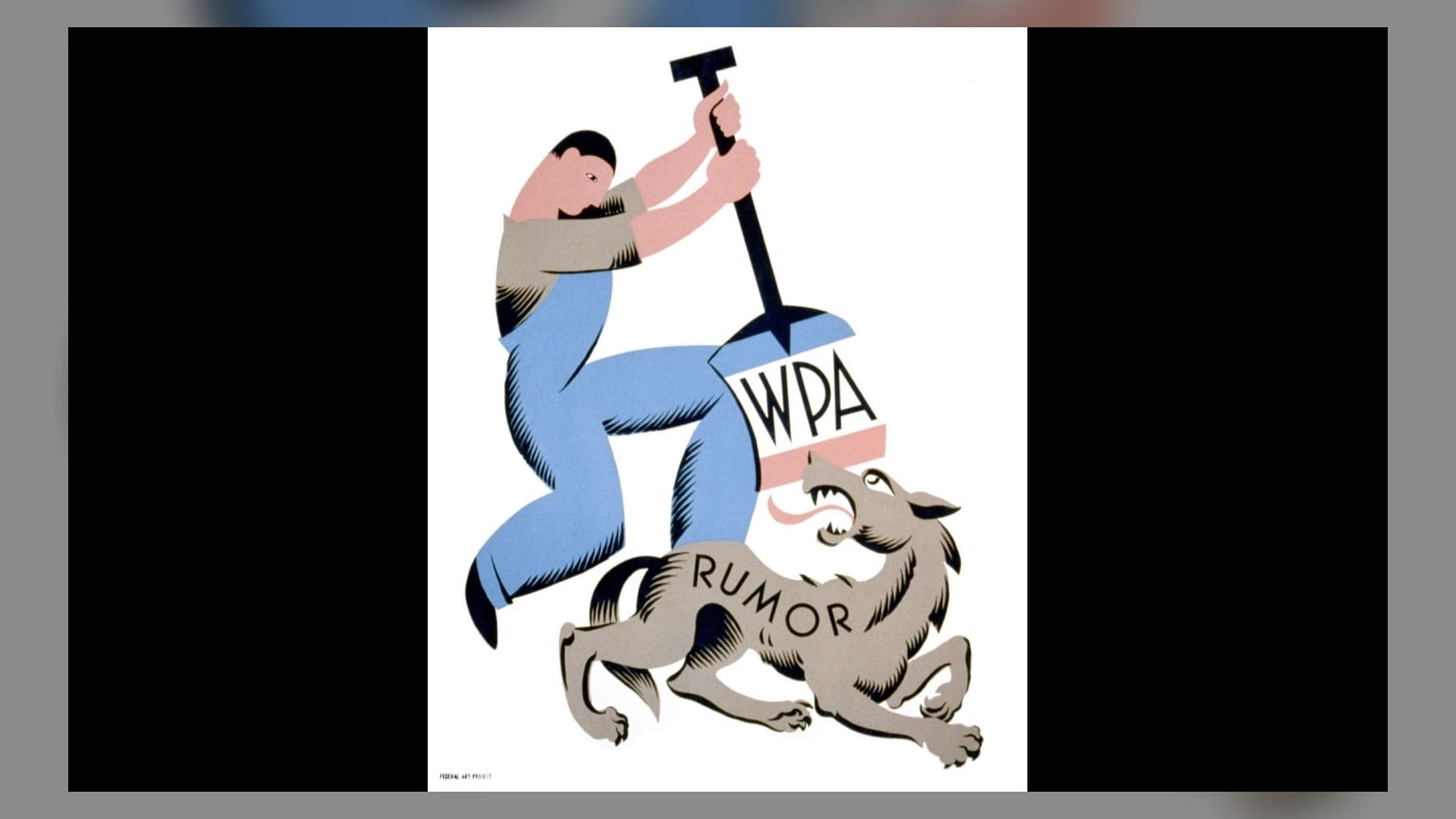
People often imagine propaganda as an old poster issued by a government. Propaganda is broader: organized communication designed to shape attitudes and behavior in service of a cause or power. It may contain lies, but it can also use true facts selectively, remove context or arrange information so that emotion arrives before reflection.
Common techniques include repetition, scapegoating, false dilemmas, appeals to fear, heroic imagery and the suggestion that “everyone” already agrees. A message may attach political identity to masculinity, patriotism, religion, class or cultural taste. Once disagreement feels like betrayal of the group, evidence becomes harder to consider.
Election cycles intensify these pressures. Campaigns need memorable contrasts and news organizations need attention. Social platforms reward material that produces fast reactions. A misleading clip may travel farther than the full speech because outrage is easier to share than context.
The defense is not cynicism. Assuming that everything is manipulation leaves people vulnerable to the loudest figure who claims to reveal the hidden truth. Better habits are specific: identify the source, locate the original material, check the date, separate evidence from interpretation and ask what information would weaken the claim.
Propaganda is not defined by whether we dislike its conclusion. Movements and institutions across ideologies have used it. The fair standard is the method: Does the message permit scrutiny, acknowledge relevant facts and treat the audience as capable of judgment—or does it attempt to close thought down?
Further reading: Library of Congress: Mass Persuasion Campaigns
Comments
This post currently has no comments.