
Communism, in Plain English
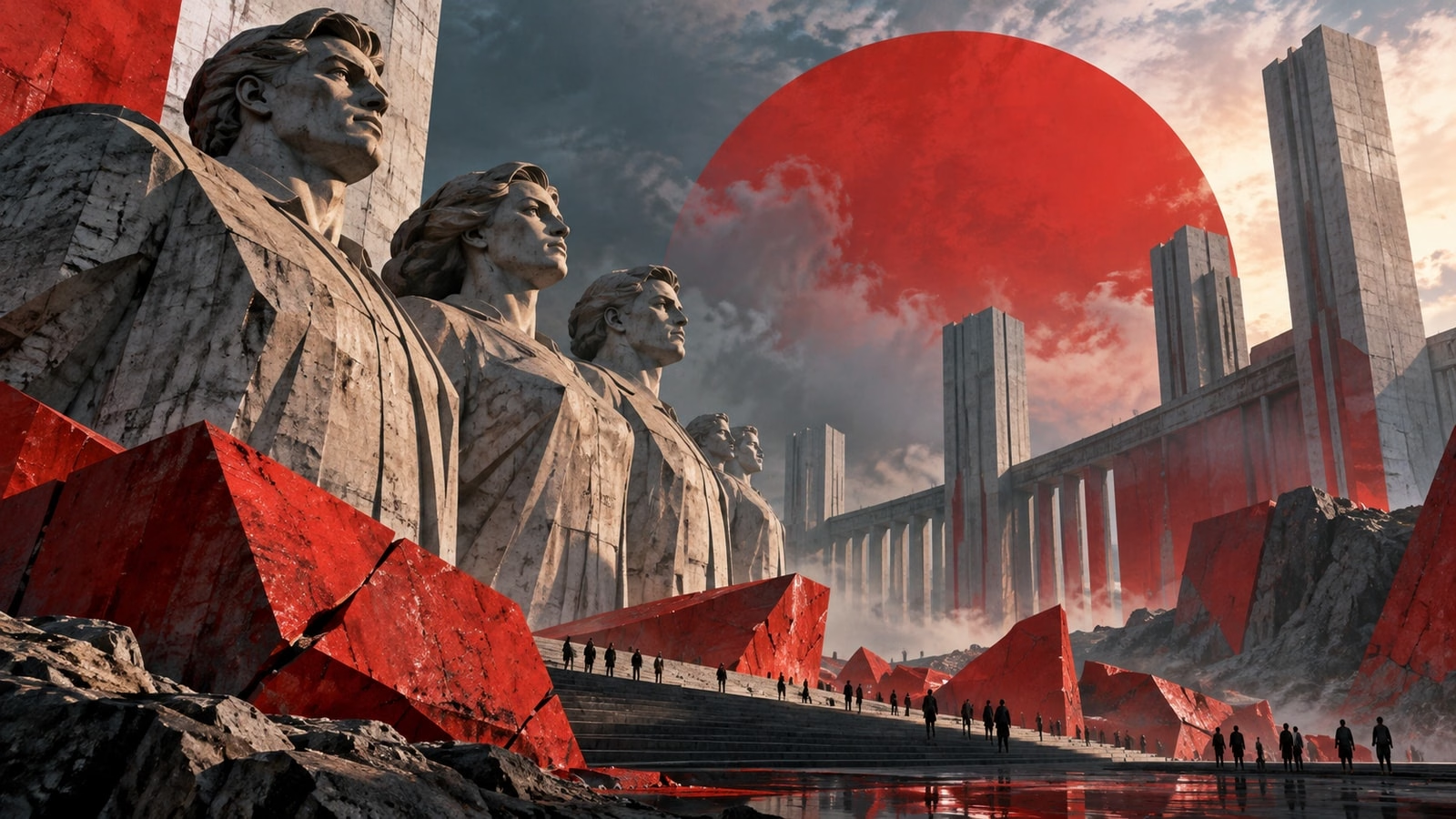
In communist theory, productive property—factories, land and major resources—would no longer be controlled by a private owning class. Class divisions would disappear, production would be organized around human need and, in the final ideal, the coercive state itself would no longer be necessary.
History did not follow that clean path. Revolutions carried out in communism’s name produced party-led states that nationalized large portions of the economy and concentrated political authority. The Soviet Union, Mao-era China and other governments achieved rapid changes in literacy, industry or public services in some periods, while also producing repression, censorship, forced labor, political violence, shortages and disastrous policy failures. Their leaders described the state as a transitional instrument; in practice, the state often became exceptionally powerful.
That distinction between ideal and implementation matters, but it cannot become an escape hatch. Ideas should be judged partly by the institutions they encourage and by how they respond when people disagree. A promise of equality is not enough if citizens cannot criticize leaders, organize independently or replace those in power.
Communism is also not a synonym for every public program, progressive tax or regulated market. Countries can provide universal services while retaining private enterprise and competitive elections. Modern China is governed by a Communist Party but uses extensive markets and private business, illustrating how political labels and economic practice can diverge.
The clearest questions are institutional: Who controls property? Who sets production priorities? Are opposition parties, independent journalism and free unions permitted? Can citizens leave, protest and vote leaders out? What mechanisms expose mistakes before they become catastrophes?
Readers need neither romantic mythology nor Cold War caricature. Communism is a tradition of radical equality, a theory of historical change and a record of governments whose concentrated power caused profound harm. Understanding all three is more useful than using the word as an insult.
Comments
This post currently has no comments.