
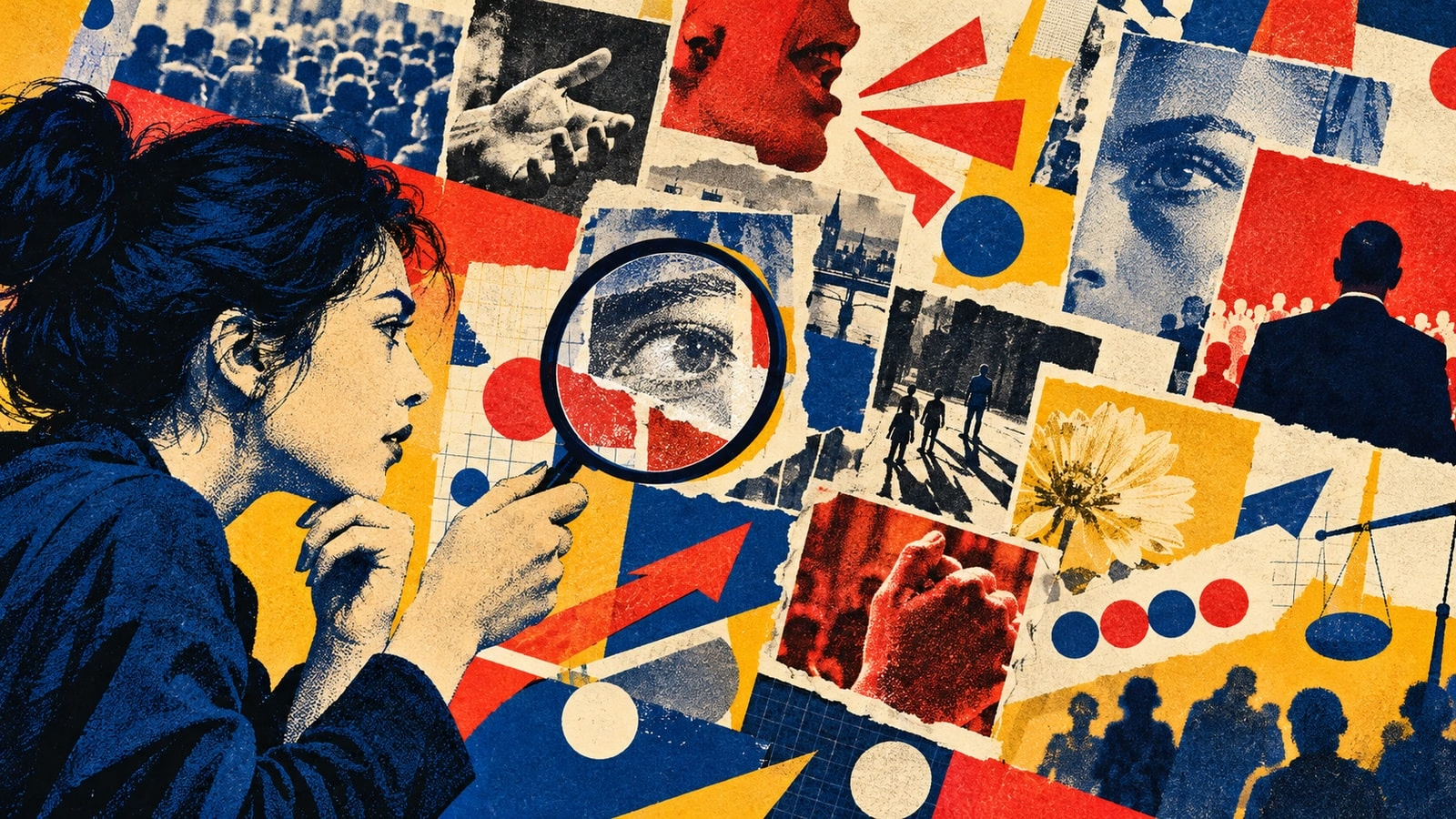
Deepfakes use artificial intelligence to create plausible media of events or statements that did not occur. Poor examples may contain strange movement or mismatched sound, but technical quality is improving. A checklist based only on distorted hands or blinking will not remain dependable.
Begin with provenance. Who published the file first? Is the account official? Can the event be confirmed through a complete recording, transcript, reputable news coverage or the institution involved? A dramatic clip without a traceable origin deserves restraint.
Listen for edits, but do not treat their absence as proof. Search exact phrases and capture a still frame for reverse-image searching. Check whether the claimed date, clothing, location and surrounding events fit. For voting instructions, consult the state or local election office directly.
Do not rush to repost a suspected fake “for awareness.” Repetition can expand its audience after the correction is forgotten. Share verified information and a link to the original source instead.
CISA defines deepfakes as synthetic media depicting plausible events that never happened and recommends strong authentication and trusted official channels. The durable defense is verification, not confidence in our eyesight.
Further reading: CISA guidance on generative AI and elections
Thank you for reading independent culture. Join the discussion below.
Talk with Leah & Chetuno
We read contributions personally. New comments are reviewed before publication; a response may take a little time.