
Who Actually Wears That? Follow the Clothes Out of the Show
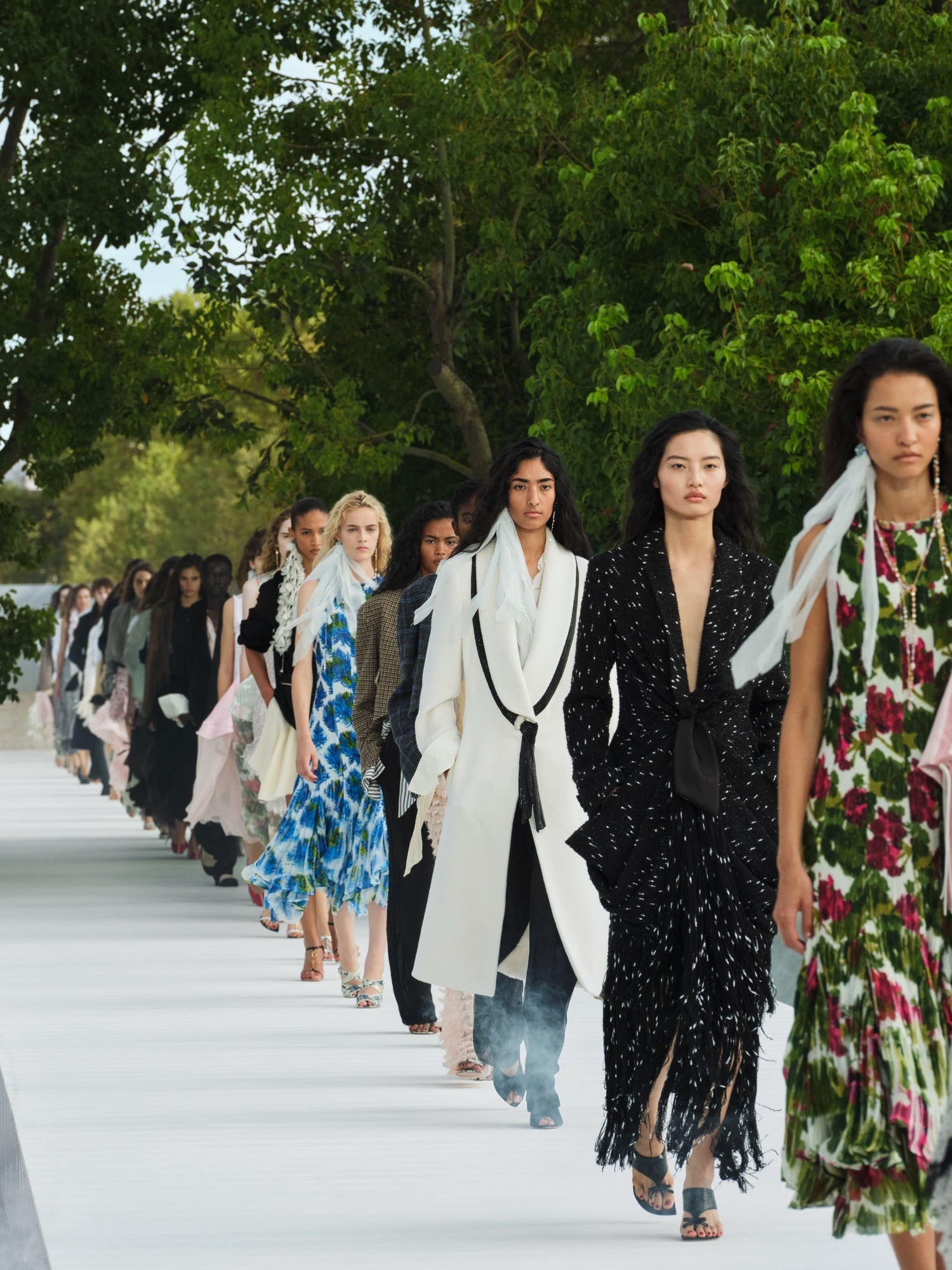
The model has disappeared backstage. The internet has had its little argument. Now for the question that interests me: where do the clothes actually go?
Fashion gets photographed as spectacle so often that the customer can almost vanish from the story. Following a garment into somebody’s wardrobe is a useful way of bringing the person back.
The V&A’s account of Schiaparelli’s London business gives us a particularly good example. In 1934, Rosalind Gilbert wore a Schiaparelli wedding gown with removable sleeves. After the wedding, that change allowed it to become an evening dress. A couture gown with a second job. We approve of that level of commitment.
Another client, Viscountess Castlerosse, owned the extraordinary coat Schiaparelli developed with Jean Cocteau. Its embroidery creates both facing profiles and an urn of roses. The museum explains that garment pieces were sent to London for finishing and fitting in the Mayfair workroom. The embroidery was probably made by Maison Lesage in Paris; the museum preserves that uncertainty, and so should we.
There were people, fittings and occasions behind these pieces. That doesn’t make couture an everyday purchase for most of us. It makes its history more interesting than a price tag and a celebrity photograph.
And it gives us a useful question for our own wardrobes: what happens to this garment after its big entrance? Can it change, return, or show up somewhere completely different? I’d rather hear that story than declare every unusual runway look unwearable and go home.
Follow these garments and their clients through the V&A’s Schiaparelli London history.
Dior Summer 2027 womenswear runway finale, Jonathan Anderson, September 29, 2026. © ADRIEN DIRAND, via Christian Dior / PR TIMES. Contemporary runway illustration; the historical garments discussed in the article are Schiaparelli. Image source.
Comments
This post currently has no comments.