
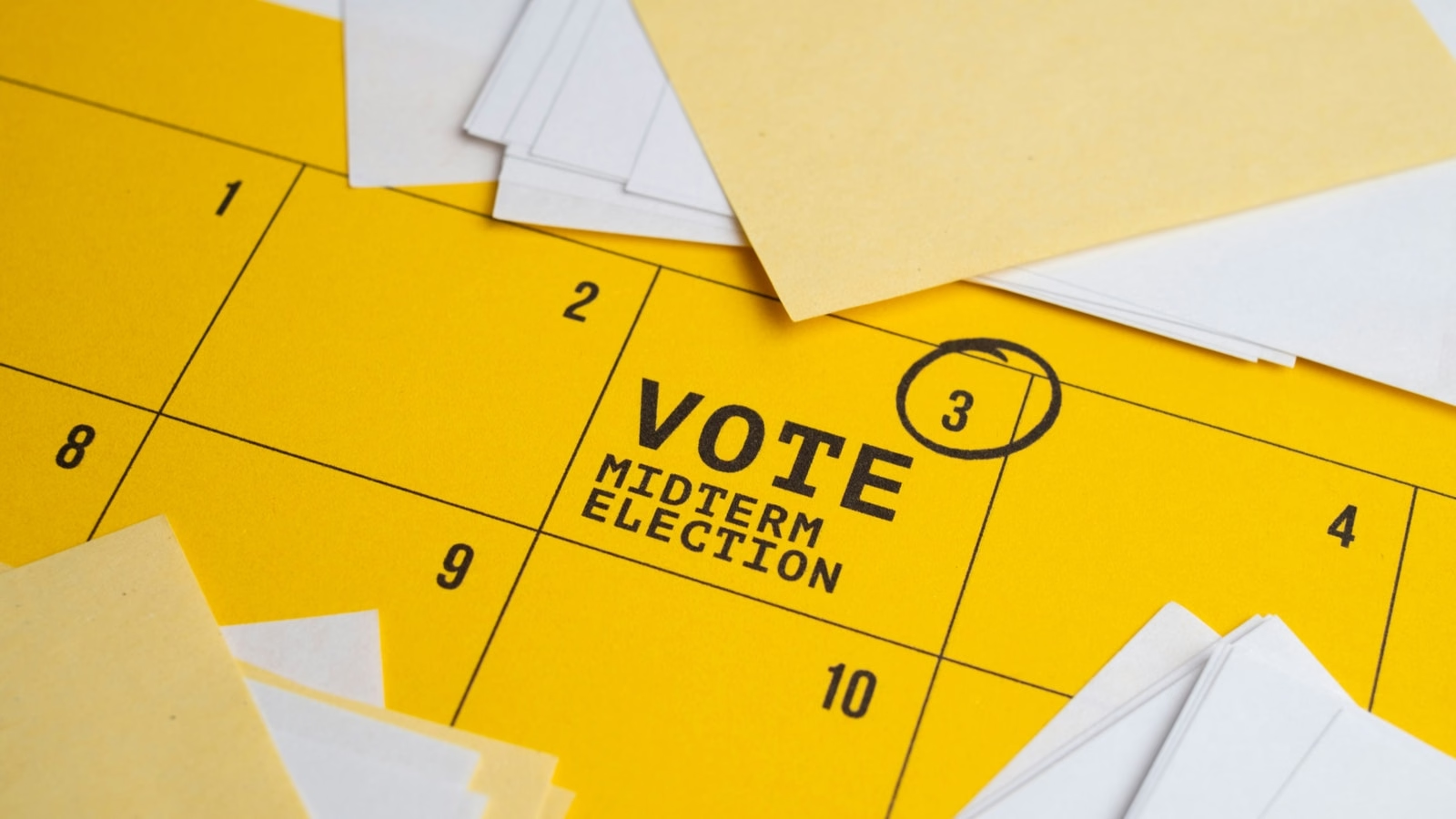
First, confirm that an election is taking place in your jurisdiction and verify your polling location through your state or local election office. Do not rely on an old card or a forwarded image; locations can change.
Second, check the hours and identification rules that apply where you live. States differ, and a national social post cannot replace local instructions. If you requested a mail ballot, verify the lawful return options and deadlines before choosing a different method.
Third, review an official sample ballot. Research unfamiliar candidates and measures, and save nonpartisan notes if state law permits them in the voting area. Never photograph a completed ballot unless you have confirmed that local law allows it.
Fourth, plan transportation, child care, medication, weather protection and time. Check accessibility information or contact the election office if you need assistance. Eligible voters who encounter a registration or polling problem should ask an election official about available procedures, including provisional ballots where applicable.
Finally, tell someone you trust where to find official information—without asking how they intend to vote. Participation can be encouraged while the ballot remains private.
Start at USAGov’s voting guide, which links readers to state-specific resources.
Thank you for reading independent culture. Join the discussion below.
Talk with Leah & Chetuno
We read contributions personally. New comments are reviewed before publication; a response may take a little time.