
Real or Replica? How to Examine a Designer Handbag
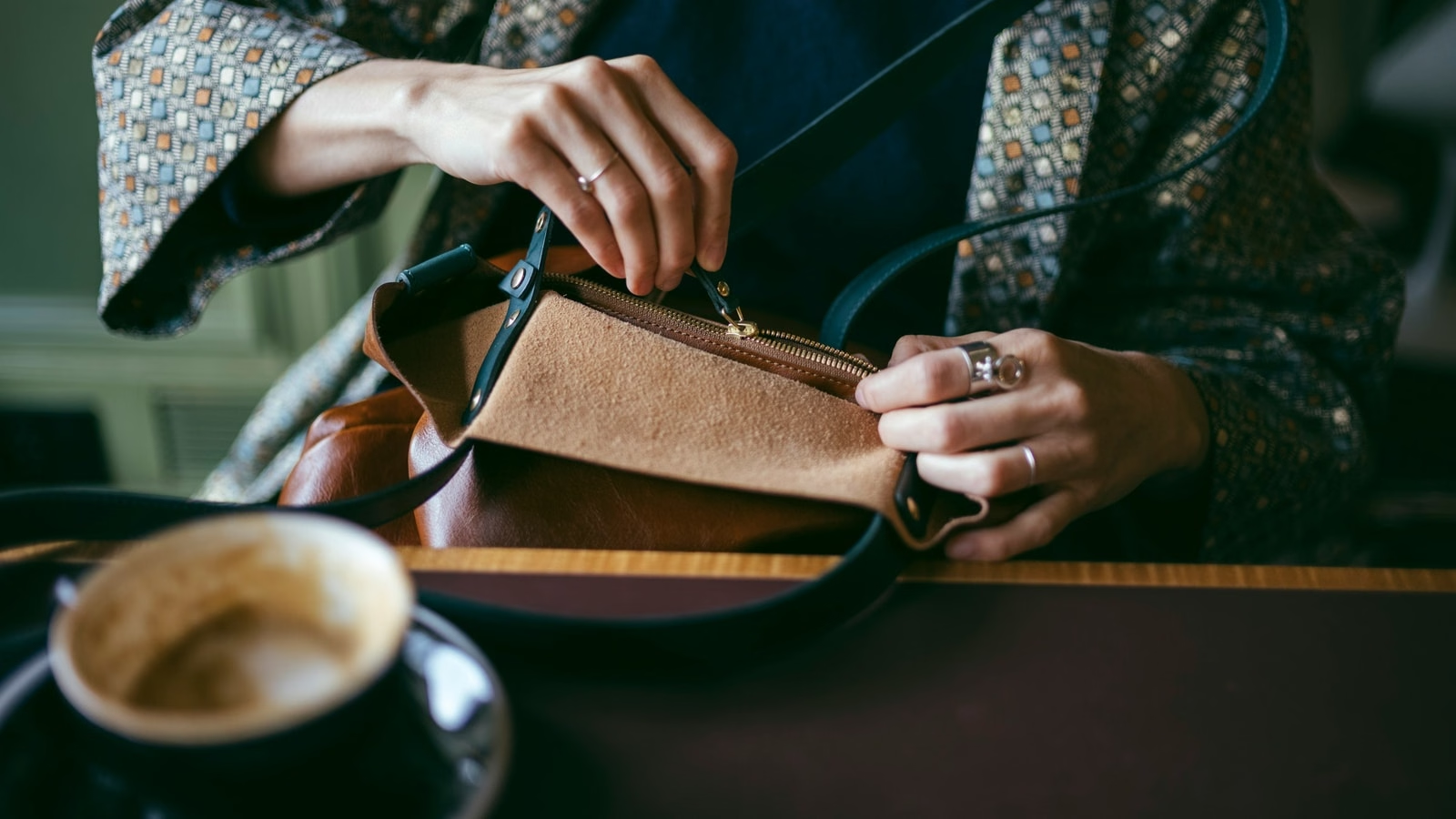
The resale market has made designer handbags more accessible, but it has also given sophisticated counterfeits a larger audience. Some replicas now imitate packaging, receipts, serial information and hardware well enough to defeat a quick social-media checklist. Authentication begins by abandoning the idea that one detail can settle the question.
Start with the model itself. Confirm that the brand actually produced that combination of shape, material, color, lining and hardware. Compare the bag with archived listings from the brand, reputable auction houses and established resale platforms. Counterfeiters sometimes create convincing objects in combinations that never existed.
Construction offers the next set of clues. Look for even stitching, clean edge paint, properly aligned patterns and hardware that feels appropriate to the design. Examine stress points around handles, strap anchors and closures. Luxury does not mean handmade perfection—authentic bags can have minor variation—but careless finishing deserves scrutiny.
Logos and stamps should be judged in context. Spacing, depth, type style and placement may change across years and factories. Serial numbers, date codes, QR labels and chips can support an assessment, but they can also be copied. A number that looks plausible is not proof that the surrounding bag is genuine.
Materials are similarly complicated. Genuine leather varies, and some luxury brands use coated canvas, synthetics or alternative materials. Smell tests are unreliable. Instead, study how the material bends, how edges are finished and whether the lining and reinforcement match documented examples from the same model and period.
The seller may provide the most important evidence. Ask for clear, original photographs, proof of possession, return terms and a written authenticity guarantee. Reverse-search images when possible. Be cautious when urgency, secrecy or an implausibly low price replaces verifiable history. Payment methods should provide buyer protection.
For a high-value purchase, use a reputable independent authentication service or an experienced specialist familiar with the specific brand. Even professionals can disagree, so retain the listing, correspondence, receipt and authentication record.
The most useful rule is simple: authenticate the bag, the model, the history and the transaction—not merely the logo.
Comments
This post currently has no comments.