
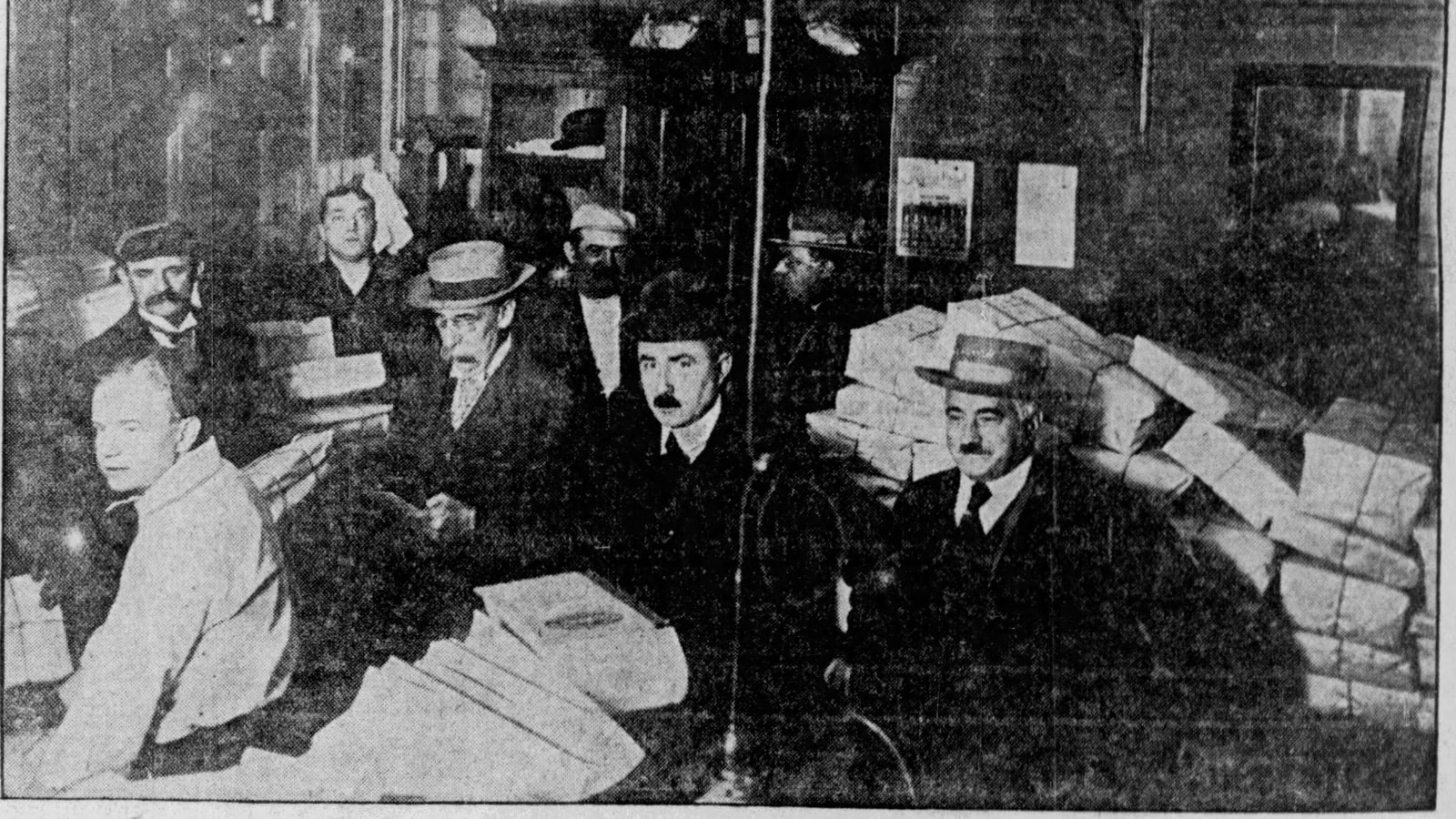
A ballot is a map of public power. Far below the best-known race may be contests for judges, school boards, county commissions, city councils, sheriffs, prosecutors, election administrators and special districts. Their authority varies by state, but their decisions can shape housing, transportation, policing, classrooms, courts and utilities.
These races receive less reporting, and that makes careful research more important. Begin with the office rather than the candidate. What does it control? What is outside its authority? Is the position legislative, executive, administrative or judicial?
Use the official sample ballot, then consult candidate websites, financial disclosures, public records, reputable local reporting and full forum recordings. Separate endorsements from evidence. For judicial races, examine professional qualifications and the court’s actual jurisdiction rather than expecting campaign-style policy promises.
Ballot measures require similar attention. Read the official language and fiscal analysis, noting who wrote supporting and opposing statements. A pleasing title may conceal complicated implementation.
Voting every line is not mandatory. It is better to leave a contest blank than guess. But a few minutes spent understanding the quieter offices can give a voter influence over the institutions closest to daily life.
Thank you for reading independent culture. Join the discussion below.
Talk with Leah & Chetuno
We read contributions personally. New comments are reviewed before publication; a response may take a little time.