
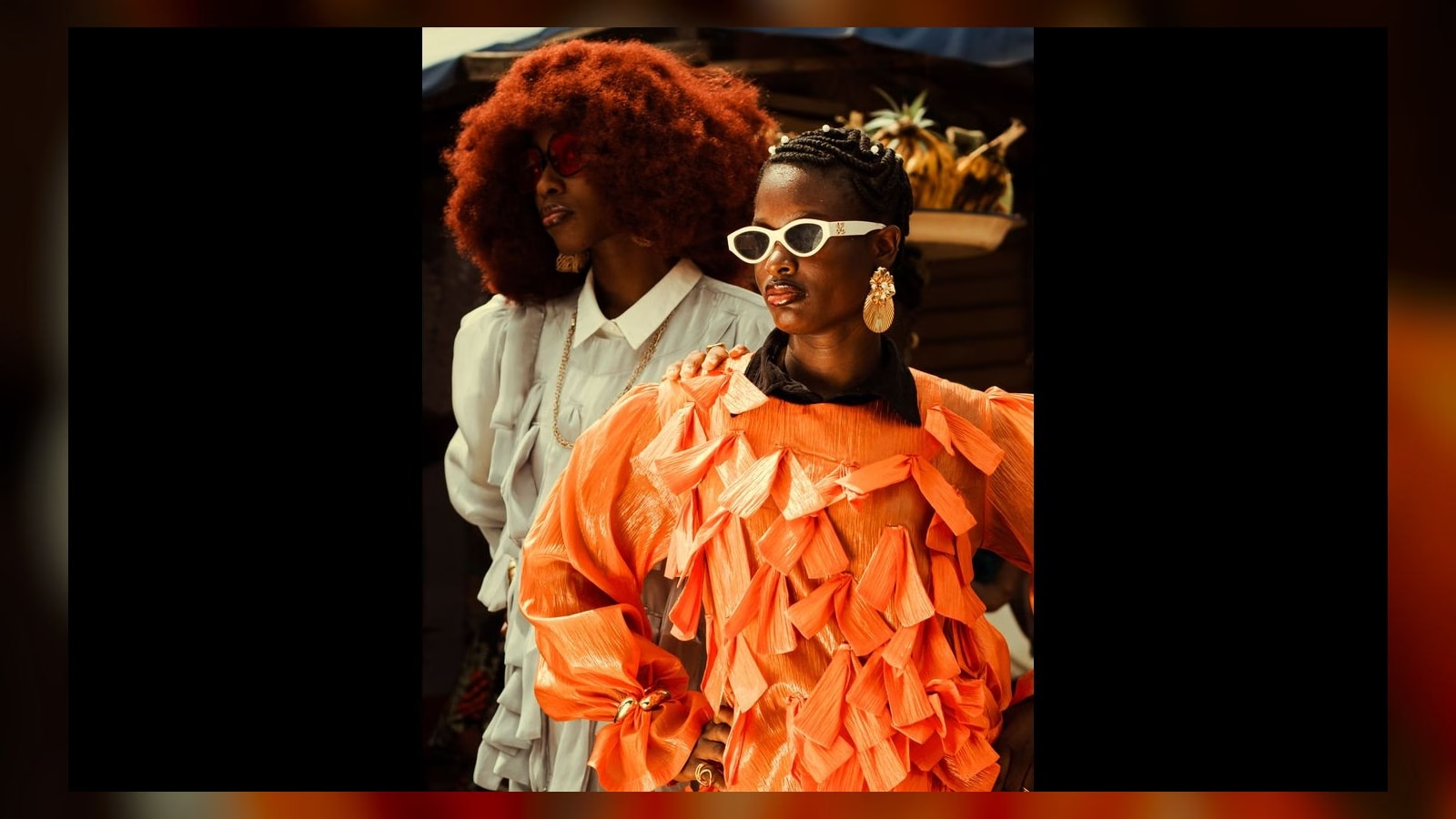
Uniforms make clothing’s social language obvious, but ordinary wardrobes speak too. A band shirt signals affinity. A tailored suit can claim authority or parody it. Workwear moves between utility and fashion, carrying associations that change with the wearer and setting.
Political movements understand this instinctively. Colors, hats, pins and textiles make affiliation visible from across a room. Subcultures do the same, often turning inexpensive or discarded clothing into a code understood by insiders before it reaches a runway.
Meaning is never completely controlled. A garment can be reclaimed, commercialized or misunderstood. What feels like appreciation to one person may feel like extraction to another, especially when sacred or historically burdened symbols become decoration.
The answer is not to fear self-expression. It is to remain curious about what we wear: where it came from, who made it, which history it carries and whether our interpretation leaves room for someone else’s experience.
Thank you for reading independent culture. Join the discussion below.
Talk with Leah & Chetuno
We read contributions personally. New comments are reviewed before publication; a response may take a little time.