
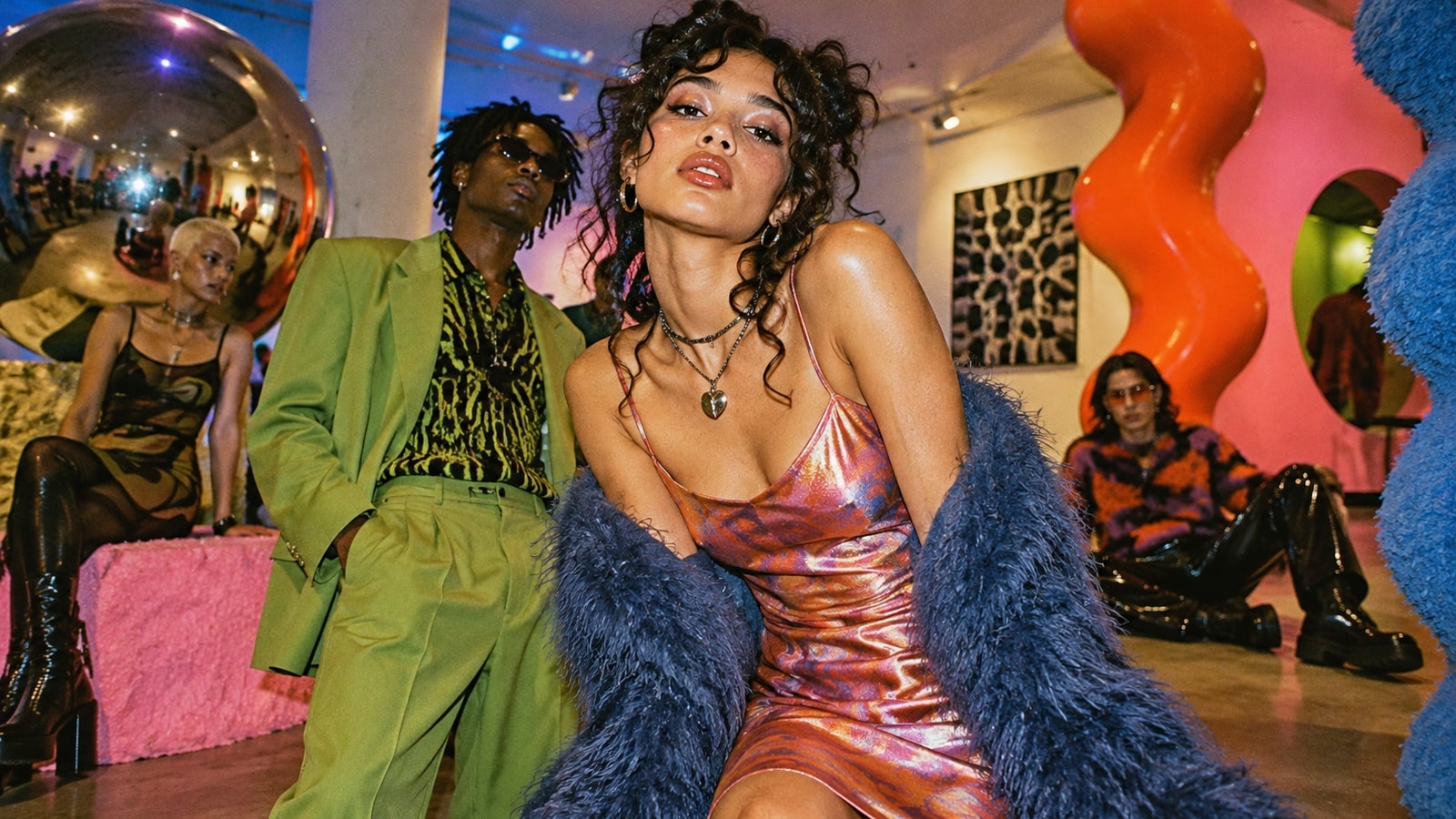
The 1990s remain a reference point because the decade never produced one dominant look. Minimal tailoring existed beside rave clothing, grunge, logo-heavy luxury and spectacular runway theater. Fashion magazines, music scenes and young British artists shared people, spaces and a taste for provocation.
Tate Britain’s current exhibition, curated by Edward Enninful, brings photography, clothing and art into the same conversation. That approach suits a decade in which image-makers such as Juergen Teller and Corinne Day helped redefine editorial realism, while designers including Alexander McQueen, Vivienne Westwood and Hussein Chalayan made the runway a site of storytelling and argument.
The continued fascination is partly visual—slip dresses, relaxed denim and stark portraiture remain easy to quote—but it is also structural. The period changed who could define taste and how quickly an underground image could enter commercial fashion.
Nostalgia can flatten the decade into a mood board. A better look remembers economic anxiety, tabloid power, queer creativity, racial politics and the labor behind the apparent spontaneity. The 1990s still matter not because every look should return, but because the era exposed how art, identity and commerce continually remake one another.
Exhibition: “The ’90s: Art and Fashion,” Tate Britain, through February 14, 2027.
Thank you for reading independent culture. Join the discussion below.
Talk with Leah & Chetuno
We read contributions personally. New comments are reviewed before publication; a response may take a little time.