
The Feed Is Making Choices Too
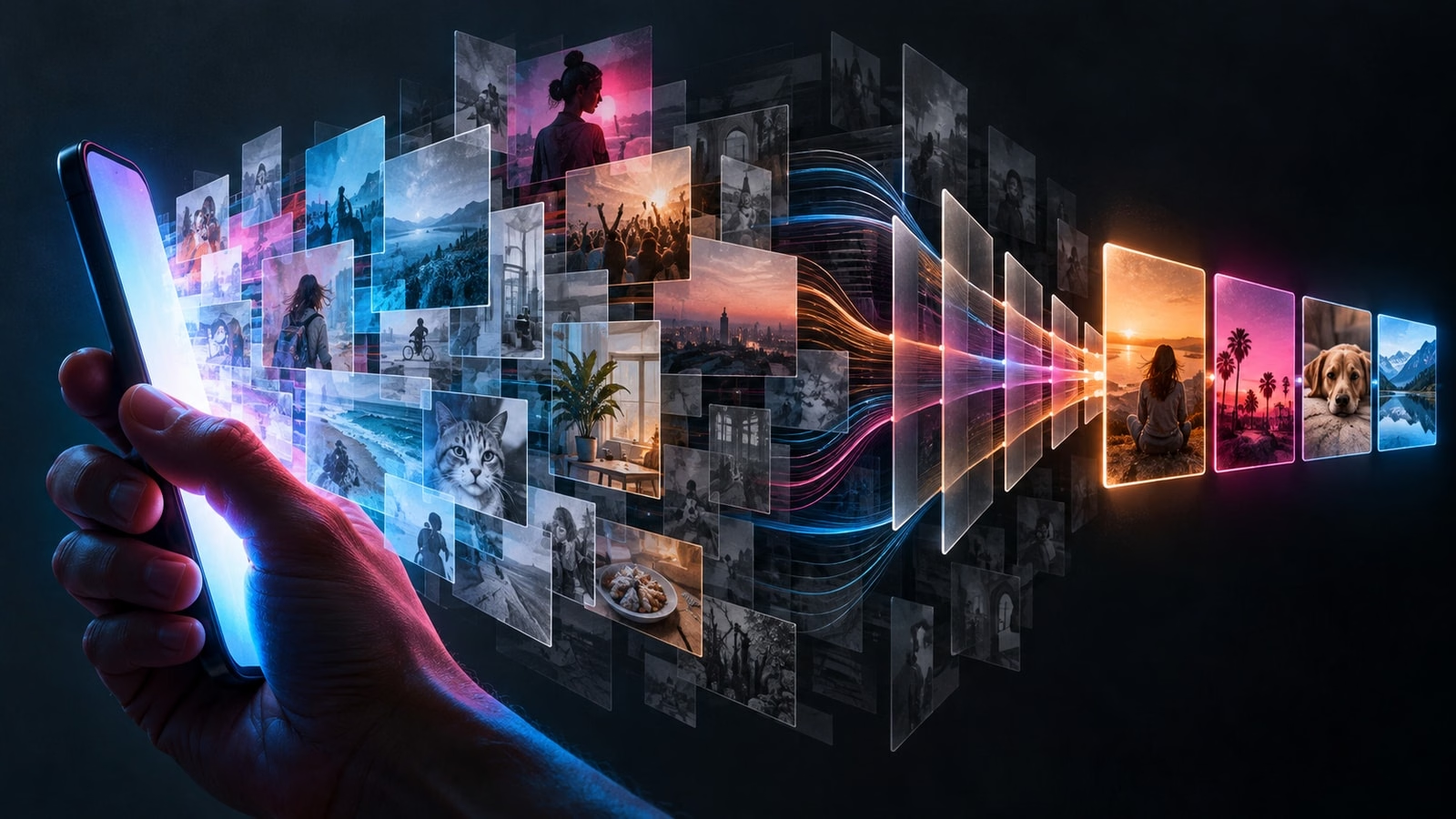
Every feed excludes more than it displays. Platforms rank posts using signals such as viewing time, replies, shares, prior behavior and predicted interest. Those decisions can be useful; without ranking, an enormous stream would become impossible to navigate. But the system’s goal is usually continued engagement, not a well-informed citizen.
Election content exploits that gap. Anger, fear and surprise encourage quick reactions. Repetition creates familiarity, and familiarity can be mistaken for truth. A user who watches one provocative video may receive more extreme variations—not because a person selected them individually, but because the system predicts attention.
Algorithms are not the only influence. Users choose accounts, campaigns buy advertising and creators learn which formats travel. The result is a feedback loop among technology, money and human psychology.
Readers can interrupt it. Follow primary sources and credible reporting with different perspectives. Pause before sharing material that produces an immediate emotional spike. Search for the original video or document. Use chronological or following-only views when available, and remember that a viral topic is not necessarily a representative one.
The feed is making choices. Media literacy begins when we notice them—and make some choices of our own.
Comments
This post currently has no comments.