
BYD Is Much More Than a Car Company
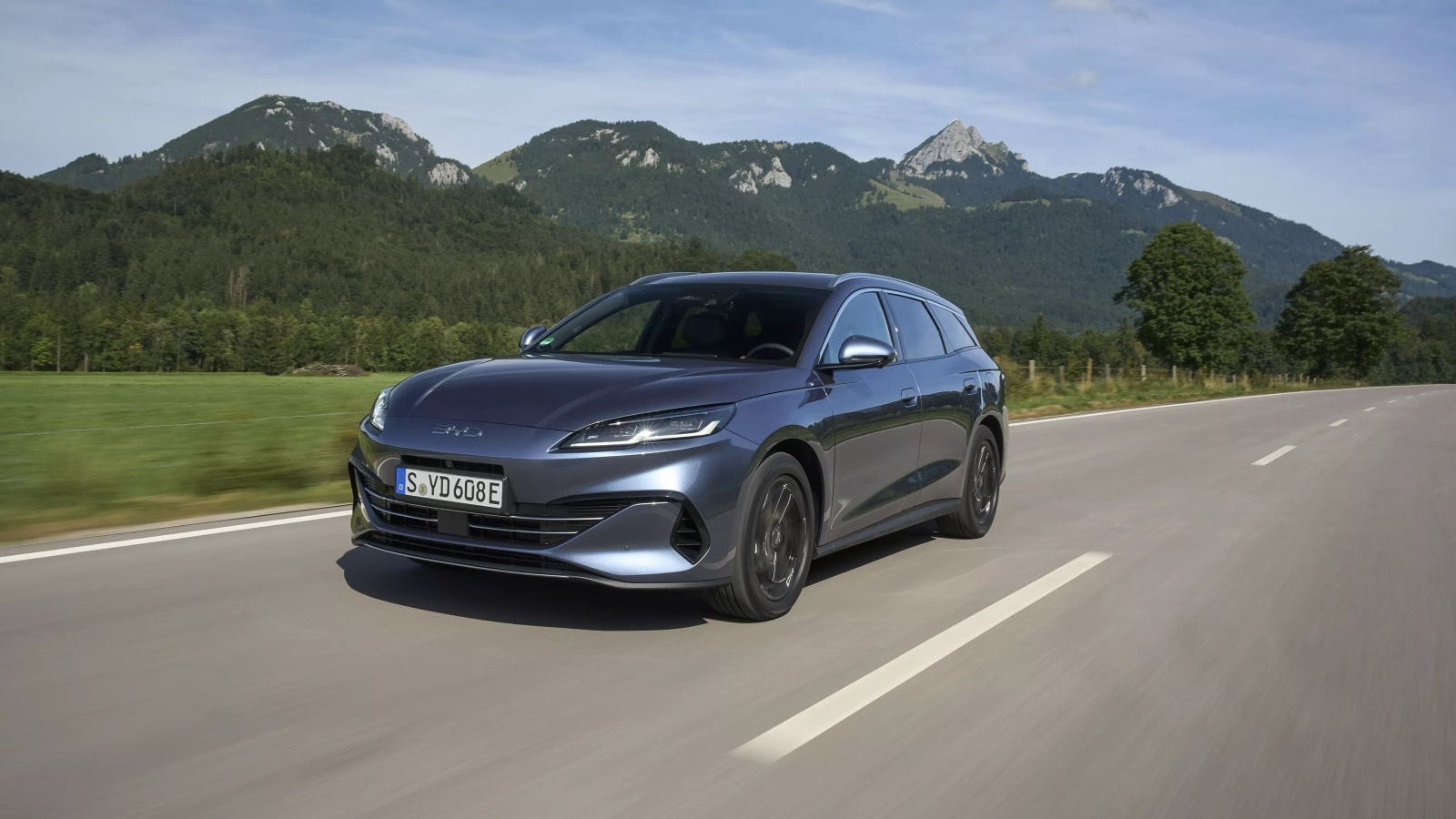
BYD can look like an overnight automotive success from a distance. It is not. The Chinese company was founded as a battery maker in the 1990s, moved into automobiles in the following decade and built a business around controlling unusually large portions of its own supply chain. Today, the initials stand for “Build Your Dreams,” but the practical story is about scale: batteries, vehicles, electronics, energy systems and transportation infrastructure produced under one corporate umbrella.
What does BYD make?
Passenger vehicles receive most of the attention. BYD sells battery-electric cars and plug-in hybrids through its main brand and higher-positioned names including Denza, Fangchengbao and Yangwang. Its Blade Battery uses lithium iron phosphate chemistry, commonly called LFP. That chemistry generally trades some energy density for lower cost, long service life and strong thermal stability.
Cars are only one part of the portfolio. BYD also manufactures batteries for vehicles and consumer products, energy-storage systems, electronic components and assembled devices, commercial trucks, buses, forklifts, solar products and urban rail systems. BYD Electronics supplies components and manufacturing services used in products that may carry another company’s name.
Who can buy its products?
Access depends heavily on location. BYD says its new-energy vehicles are present in more than 120 countries and regions, with passenger cars available across much of China, Europe, Southeast Asia, Latin America and other markets. Availability is not uniform: models, prices, warranties, charging standards and dealer support differ by country.
American consumers encounter a different picture. BYD has sold electric buses, batteries and other products in the United States, but its passenger cars are not broadly offered through a conventional U.S. retail network. Tariffs, national-security concerns, industrial policy and political scrutiny all affect whether Chinese-built vehicles can enter the market competitively. Consumers should therefore distinguish between BYD’s global prominence and its limited passenger-car presence in the United States.
Why it matters
BYD’s growth increases pressure on established automakers to lower prices, improve batteries and shorten product-development cycles. Buyers in markets with direct access may gain more choices, especially among lower-cost electric and plug-in hybrid models. At the same time, rapid expansion raises fair questions about labor, subsidies, data governance, supply-chain concentration, service networks and the environmental cost of producing millions of batteries.
The larger lesson is not that one company has solved transportation. It is that the center of automotive power is shifting. For consumers, competition can be valuable—but only when price, safety, repairability, privacy and long-term support are examined alongside the showroom technology.
Sources and further reading: BYD company overview; BYD 2026 interim report; BYD Europe product range
Comments
This post currently has no comments.