
Your Vote Is Yours: Participation Without Party Loyalty
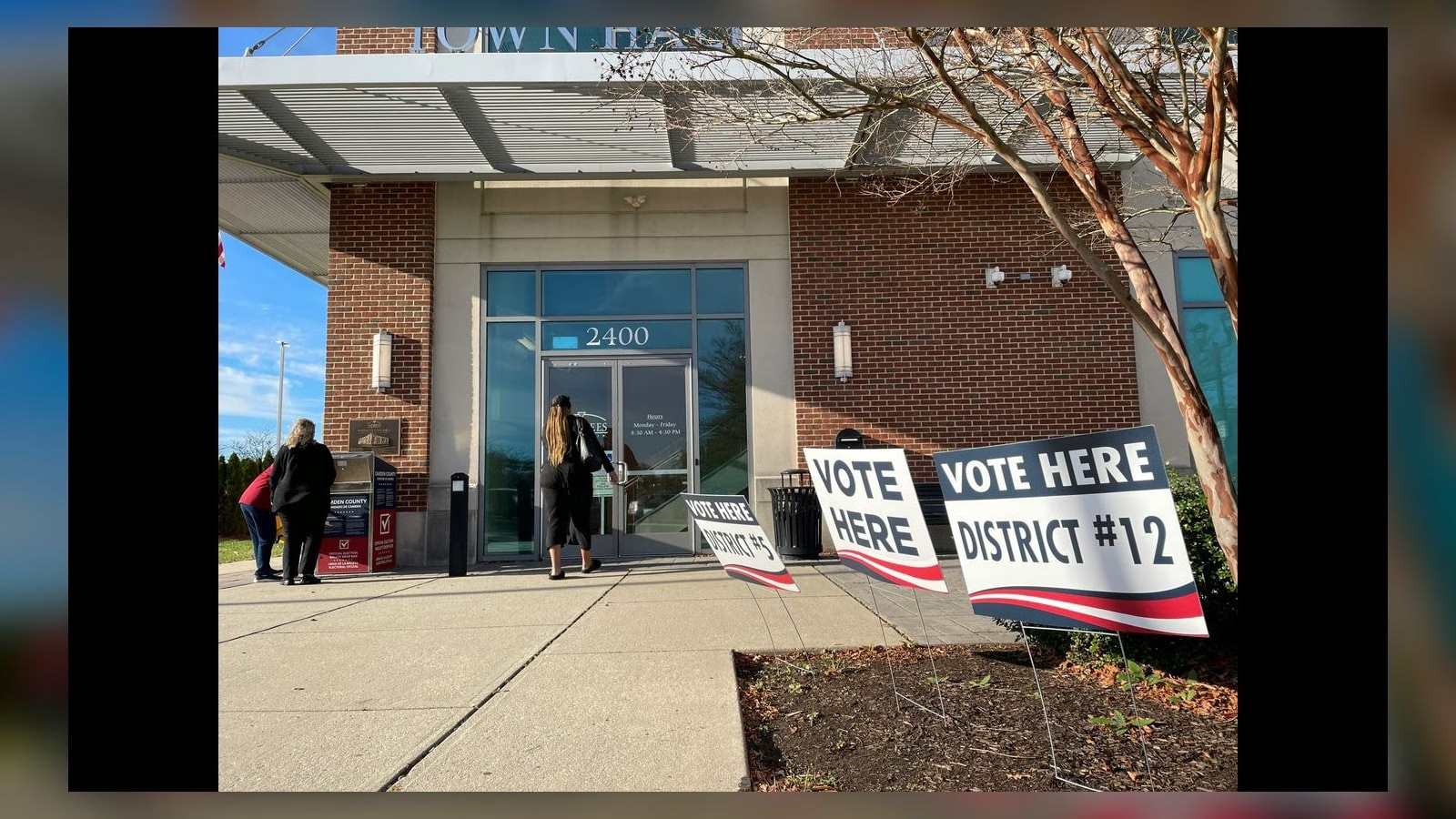
Political coverage often treats voters as members of fixed teams. Real people are more complicated. A voter can agree with one party on health care, another on local spending and neither on a particular candidate’s conduct. Participation does not require surrendering that independence.
In a general election, voters may choose among the candidates on their ballot regardless of whom they supported previously. Party-registration rules can affect primaries and caucuses, and those rules vary by state, but the general-election ballot belongs to the voter. No campaign, family member, employer, religious leader, celebrity or publication is entitled to it.
That freedom carries a responsibility to look beyond slogans. Which office is the candidate seeking? What authority does that office actually possess? What has the candidate done, not merely promised? Are quotations presented in context? Do proposed policies identify costs, legal authority and a realistic path to implementation?
Local races deserve the same attention. School boards, judges, county commissions, city councils and election administrators can affect daily life more directly than national personalities. Ballot measures may change taxes, public services or constitutional language. Leaving those choices blank is permitted, but understanding them gives voters more control over the institutions closest to home.
Readers should use state and local election offices as the final authority for deadlines, identification rules, polling locations and ballot procedures. Screenshots and forwarded posts can be outdated. A familiar logo does not guarantee that an account is genuine. When instructions conflict, go to the official government source or contact the local election office directly.
Bubbling Box will not tell readers that civic virtue belongs to one political identity. It does not. A healthy democracy requires people with different views to participate, verify information, accept facts that complicate their assumptions and recognize the equal rights of their neighbors.
Your vote is private. Your reasoning is your own. The invitation is simply to use both.
Voting information: USAGov voting guide; U.S. Election Assistance Commission voter resources
Comments
This post currently has no comments.